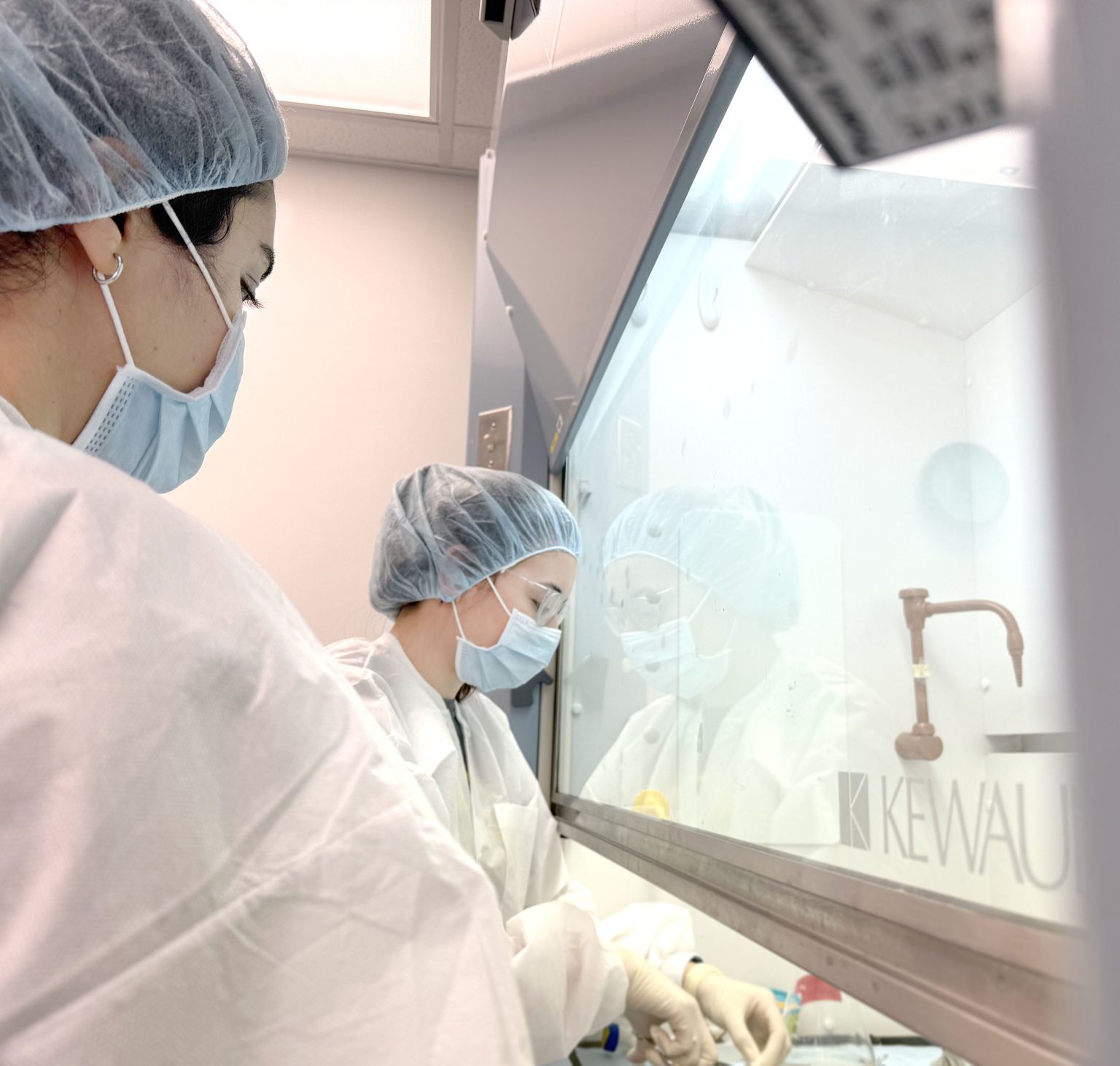
Neurochemical Modulation of Cardiorespiratory Control (NMCC) Lab
"We study autonomic control of cardiorespiratory function through brainstem circuit analysis and neurotransmitter modulation mechanisms."
Recent Publications
Orexin 1 receptors in the paraventricular nucleus of the hypothalamus (PVN) facilitate the peripheral chemoreflex
Ben Musa, R., Li, D.-P., Kline, D. D., Hasser, E. M., & Cummings, K. J. (2024). Physiology, 39(S1), 850. American […]
A serotonin-deficient rat model of neurogenic hypertension: Influence of sex and sympathetic vascular tone
Spinieli, R. L., Cornelius-Green, J., & Cummings, K. J. (2022). Journal of Neurophysiology, 128(5), 1199-1206.
The effect of orexin on the hypoxic ventilatory response of female rats is greatest in the active phase during diestrus
Ben Musa, R., Cornelius-Green, J., Hasser, E. M., & Cummings, K. J. (2023). Journal of Applied Physiology, 134(3), 638-648.
Orexin facilitates the hypoxic ventilatory response via the activation of corticotropin-releasing hormone neurons that project to the nucleus of the solitary tract
Ben Musa, R., Cornelius-Green, J., Hasser, E., Kline, D., & Cummings, K. (2023). Physiology, 38(S1), 5733602.
Orexin Facilitates the Peripheral Chemoreflex via Corticotropin-Releasing Hormone Neurons Projecting to the Nucleus of the Solitary
Ben Musa, R., Cornelius-Green, J., Zhang, H., Li, D.-P., Kline, D. D., Hasser, E. M., & Cummings, K. J. (2024). […]
Paraventricular nucleus projections to the nucleus tractus solitarii are essential for full expression of hypoxia‐induced peripheral chemoreflex responses
Ruyle, B. C., Lima-Silveira, L., Martinez, D., Cummings, K. J., Heesch, C. M., Kline, D. D., & Hasser, E. M. […]
Altered 5-HT2A/C receptor binding in the medulla oblongata in the sudden infant death syndrome (SIDS) …
Cummings, K. J., Leiter, J. C., Trachtenberg, F. L., Okaty, B. W., Darnall, R. A., Haas, E. A., Harper, R. […]
About Us
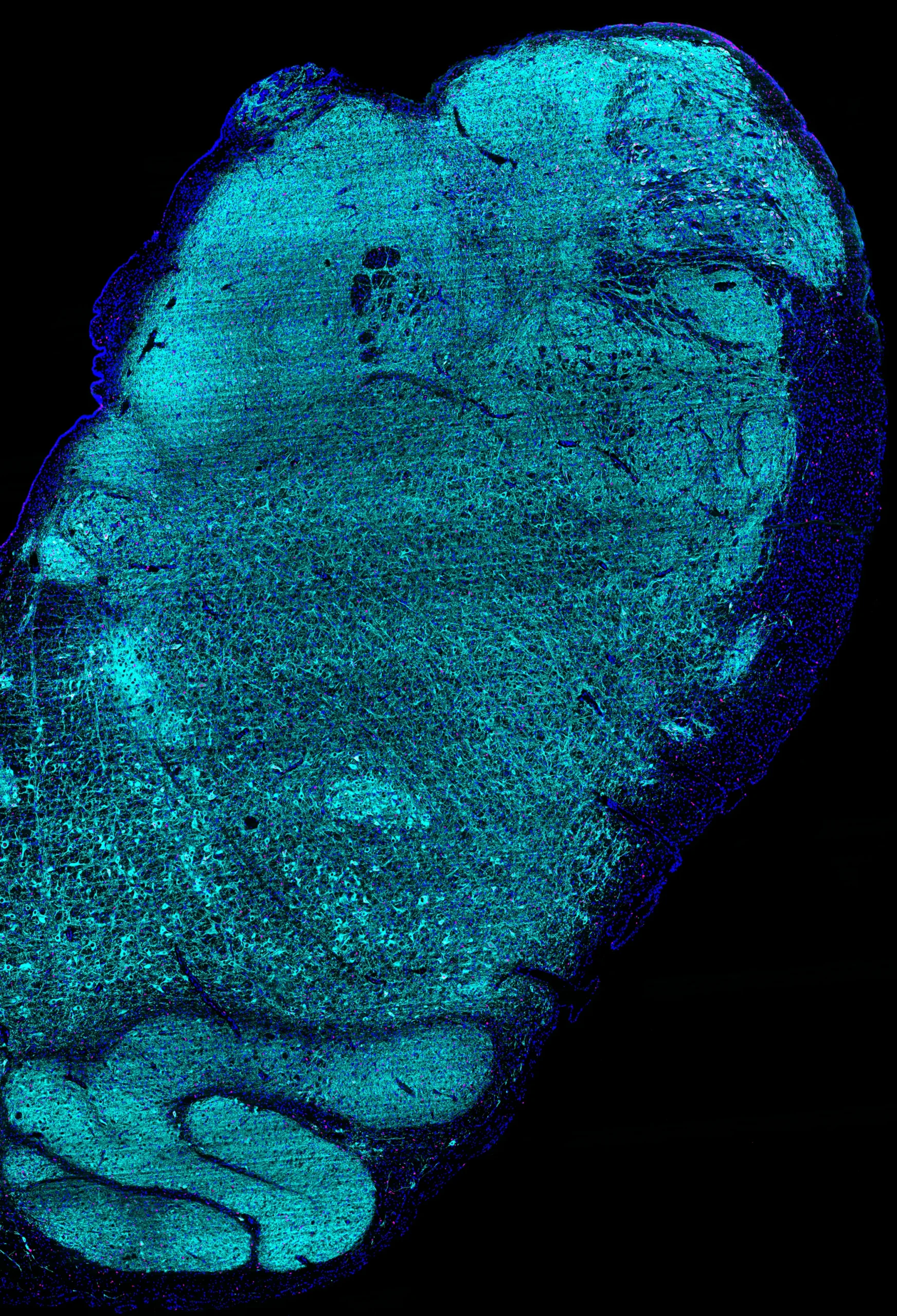
Primarily located in the brainstem (medulla oblongata), these clusters of neurons control vital cardiorespiratory functions and dynamically adapt to physiological challenges, maintaining homeostasis during stress or environmental changes, including hypoxia.
The Cummings Lab focuses on understanding how the brainstem integrates signals from central autonomic pathways to regulate critical functions such as blood pressure and heart rate. Our research investigates the impact of neurochemical imbalances on these pathways, leading to maladaptive cardiovascular and respiratory responses.
Dr. Kevin J. Cummings leads a multidisciplinary team of postdoctoral researchers and collaborators in neuroscience, electrophysiology, and autonomic regulation.
Using advanced techniques including In Vivo Rodent Models, Electrophysiology, Neuroimaging, Nerve Recordings, Optogenetics, Chemogenetics,
Electrophysiology, Photometry, In Vivo monitoring of blood pressure, heart rate, and respiratory function in awake, behaving rodents, we aim to uncover deeper insights into disorders such as Sudden Infant Death Syndrome (SIDS) and cardiorespiratory maladaption during hypoxia in both infants and adults.
Science News
An amygdala-mediated simulation-to-decision cascade aligns interbrain dynamics to solve social dilemmas
Nature Neuroscience, Published online: 19 October 2026; doi:10.1038/s41593-026-02473-z Using simultaneous intracranial recordings from interacting human brains, Ma et al. show […]
Spatiotemporal remodeling in habenula marks the onset of depression-related phenotypes
Nature Neuroscience, Published online: 19 October 2026; doi:10.1038/s41593-026-02488-6 Molina et al. show in chronically stressed mice that neuronal and transcriptional […]
Are we about to solve the greatest mystery of the neutrino?
We have long had a seemingly simple question about neutrinos: how much do they weigh? Now, a gigantic experiment in […]
It’s about to get a lot harder to keep countries honest about climate change
A row over when to publish crucial climate change assessments risks letting countries off the hook on emissions cuts
Bottlenose whales may look after each other when they’re sick
Northern bottlenose whales are more likely to stick together when individuals are poorly or emaciated
Discovery of T. rex’s cousin upends our understanding of tyrannosaur evolution
A dinosaur that is new to science has features of both subfamilies of the tyrannosaur group, complicating our understanding of […]
Collaborate With Us
We actively seek partnerships with researchers, institutions, and clinical professionals to foster collaboration and advance scientific discovery. We welcome opportunities to share expertise, contribute to ongoing projects, and explore innovative research directions. We invite proposals for joint studies, grant applications, and academic exchanges, recognizing the value of diverse perspectives in driving impactful research. Our multidisciplinary team is committed to collaborative efforts that enhance the scope and depth of our investigations.
Current opportunities:
We are constantly seeking passionate and driven researchers to join our dynamic team. We provide exciting opportunities for graduate students, postdoctoral researchers, and lab assistants to collaborate on cutting-edge projects and contribute to groundbreaking discoveries. Join us to advance your career in a supportive and innovative research environment.